Umm Al Houl Power and Water: Qatar’s Largest Desalination Plant and a World First for Reverse Osmosis
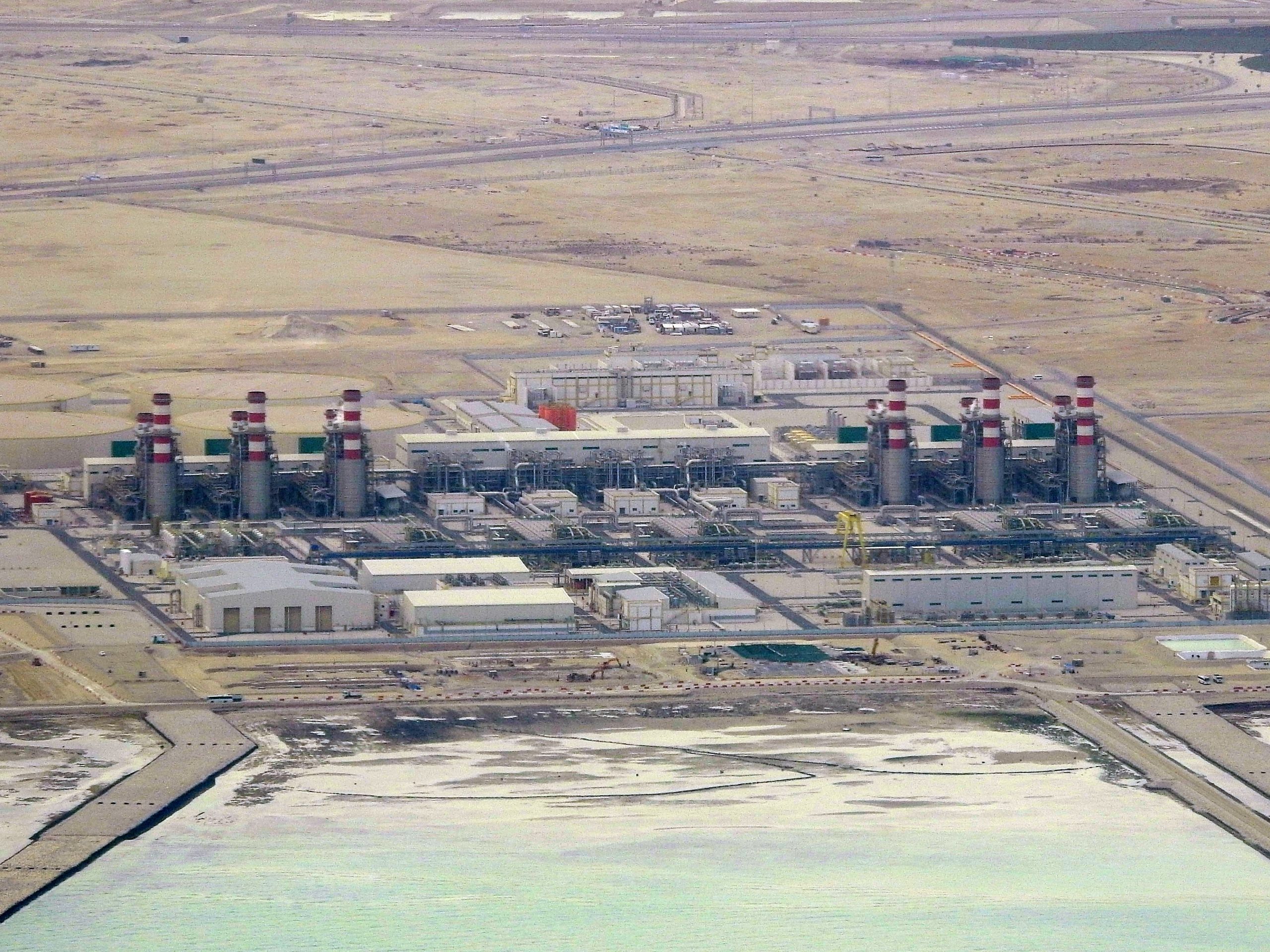
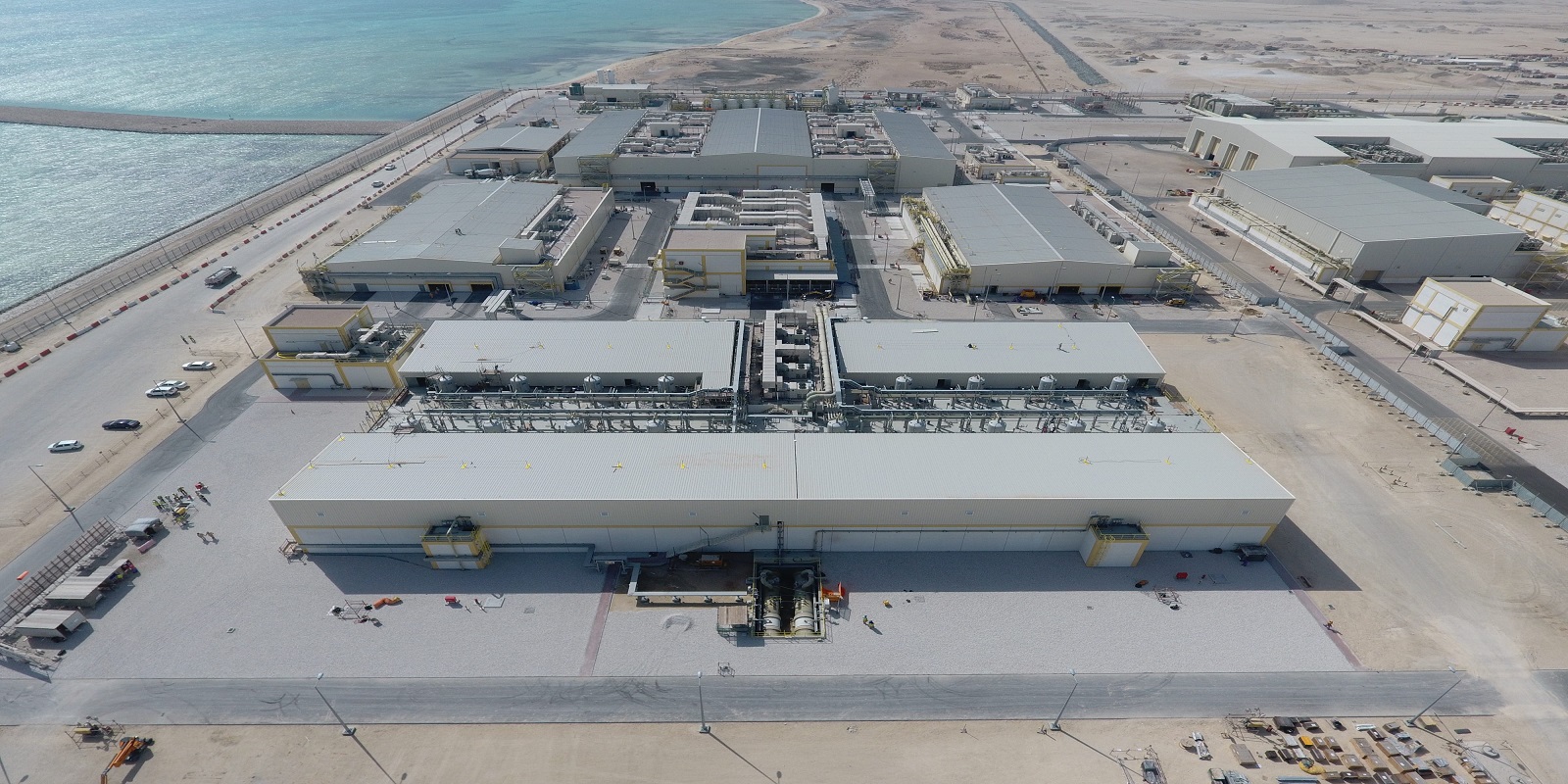
The Umm Al Houl Power and Water Plant, located south of Doha in Qatar, is one of the most significant power and water infrastructure projects in the Middle East. It is Qatar’s largest desalination facility and a genuine milestone in the global history of desalination – it was the first time that reverse osmosis (RO) technology was used on a large scale in Qatar, breaking the country’s exclusive reliance on thermal evaporation desalination that had persisted since the first desalination plants were built in the country. Following its subsequent expansion, the combined reverse osmosis capacity of the Umm Al Houl complex reaches 614,000 m³ per day – making it the largest desalination plant in Qatar and one of the largest in the world.
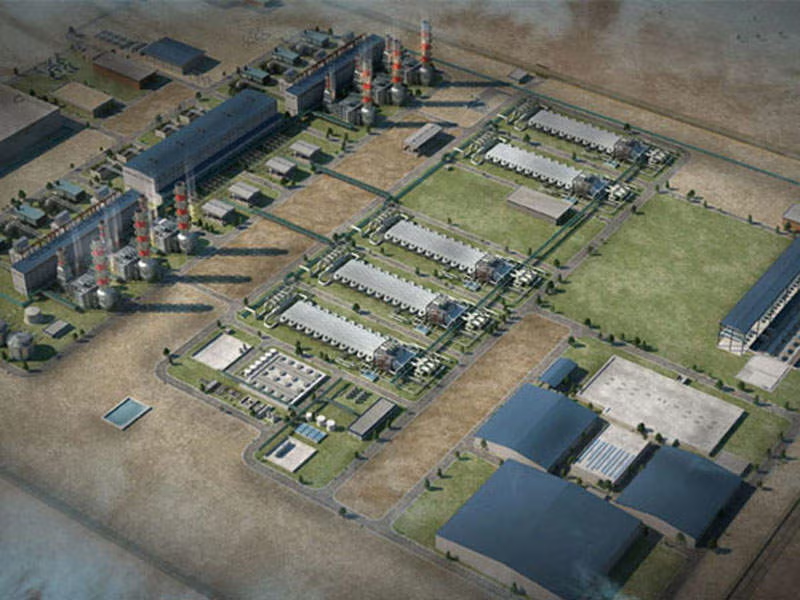
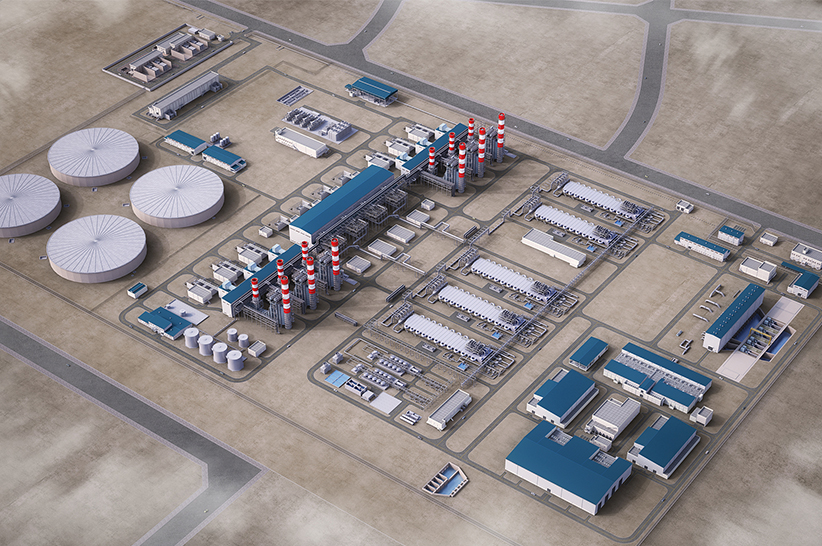
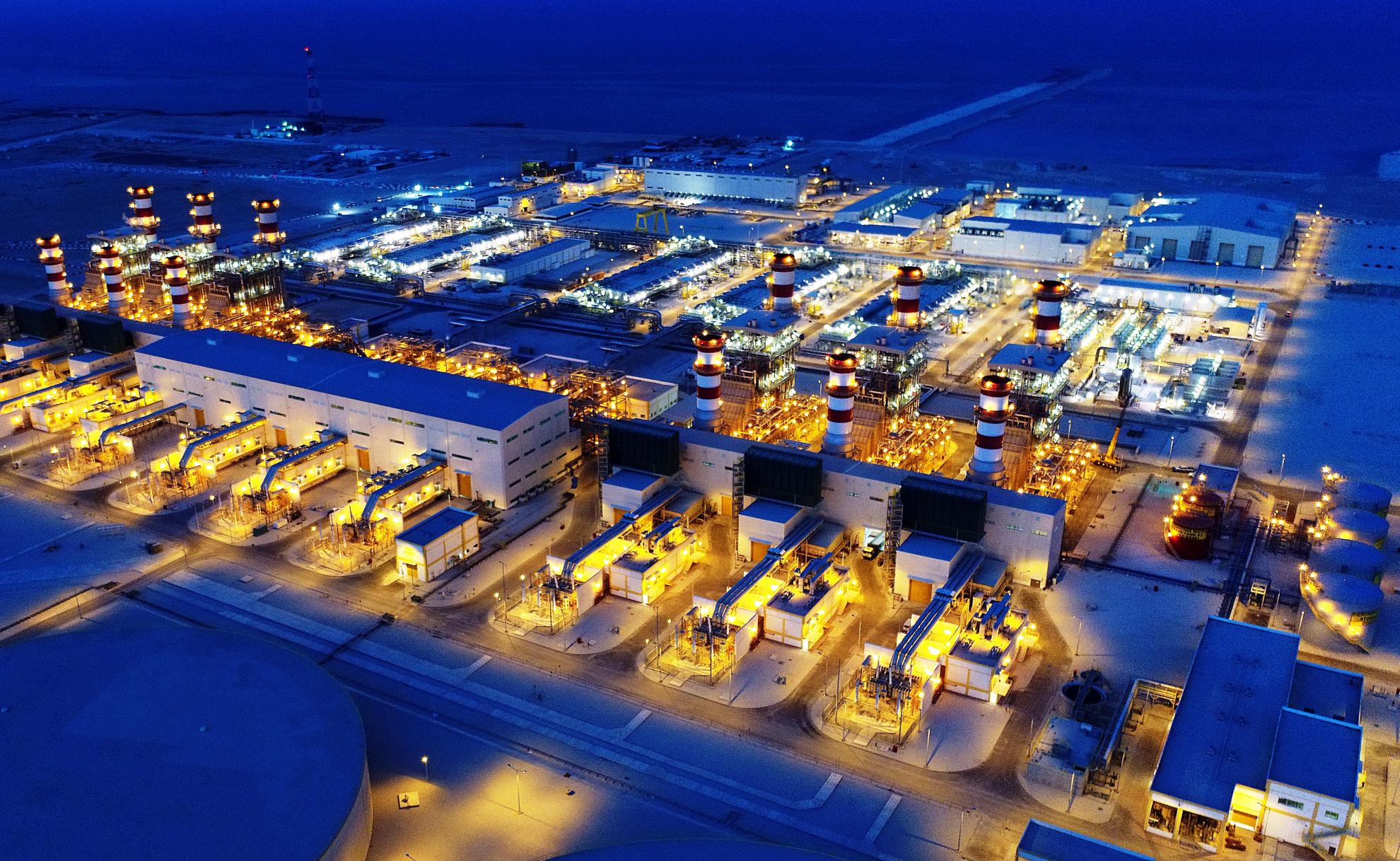
The plant is part of a large-scale Independent Water and Power Project (IWPP) that produces approximately 2,500 MW of electric power and up to 614,000 m³ per day of desalinated water. It was designed, constructed, and is operated and maintained by ACCIONA – one of the world’s leading infrastructure and renewable energy companies – under contract to Qatar Electricity and Water Company (QEWC). The expansion phase was completed in just 22 months, breaking a construction record in the desalination world, and surpassed 10 million working hours without a lost-time injury.
This post covers the project facts, the technology, the construction methodology, the expansion programme, the safety performance and what the Umm Al Houl plant means for Qatar’s water security and the global desalination industry.
Project Facts
| Item | Detail |
|---|---|
| Location | Umm Al Houl, south of Doha, Qatar |
| Client | Qatar Electricity and Water Company (QEWC) |
| Project structure | Independent Water and Power Project (IWPP) |
| Power generation capacity | Approximately 2,500 MW |
| Initial desalination capacity | 284,000 m³/day |
| Post-expansion desalination capacity | 614,000 m³/day (564 million litres per day from two RO plants combined) |
| Desalination technology | Reverse osmosis (RO) – first large-scale RO in Qatar |
| Population served | 1.8 million people |
| Design, construction and O&M contractor | ACCIONA |
| Expansion construction duration | 22 months – world construction record for desalination |
| Safety milestone | 10 million working hours without lost-time injury |
| Smart technology | State-of-the-art artificial intelligence to optimise operations and achieve energy savings |
| ACCIONA’s Qatar RO portfolio | Third reverse osmosis desalination plant completed by ACCIONA in Qatar |
Why Umm Al Houl Matters
Qatar is one of the most water-scarce countries in the world. It has no permanent rivers, no lakes and negligible rainfall. Every drop of potable water consumed in Qatar is either desalinated from the Arabian Gulf or extracted from rapidly depleting underground aquifers. Desalination is not a supplement to Qatar’s water supply – it is the water supply. And until the Umm Al Houl plant was commissioned, Qatar’s entire desalination capacity was based on thermal evaporation technology – Multi-Stage Flash (MSF) and Multi-Effect Distillation (MED) – processes that are energy-intensive, carbon-heavy and tightly coupled to thermal power generation.
The Umm Al Houl plant changed that. For the first time in Qatar, reverse osmosis technology was deployed at large scale to produce potable water. RO is fundamentally different from thermal desalination. It uses mechanical energy – high-pressure pumps – rather than thermal energy to force seawater through semi-permeable membranes that reject dissolved salts. RO is significantly more energy-efficient than thermal desalination – typically 2.5–3.5 kWh per cubic metre compared to 10–15 kWh per cubic metre for MSF – and can be powered by any source of electricity, including renewable energy. It does not require co-location with a thermal power plant and does not need waste heat from power generation to operate.
The deployment of large-scale RO at Umm Al Houl was therefore not just a technical milestone – it was a strategic shift in Qatar’s approach to water security. It demonstrated that Qatar could produce potable water at large scale using a technology that is more efficient, more flexible and more compatible with a low-carbon energy future than the thermal desalination technology that had dominated the country’s water sector for decades.
The Site – South of Doha
The Umm Al Houl site is located south of Doha on the Arabian Gulf coast. The coastal location provides direct access to seawater for the reverse osmosis desalination process and for the cooling water systems of the power generation plant. The site is within practical transmission distance of Doha’s high-voltage electricity grid and within practical pipeline distance of the water distribution network that serves the capital and its surrounding areas.
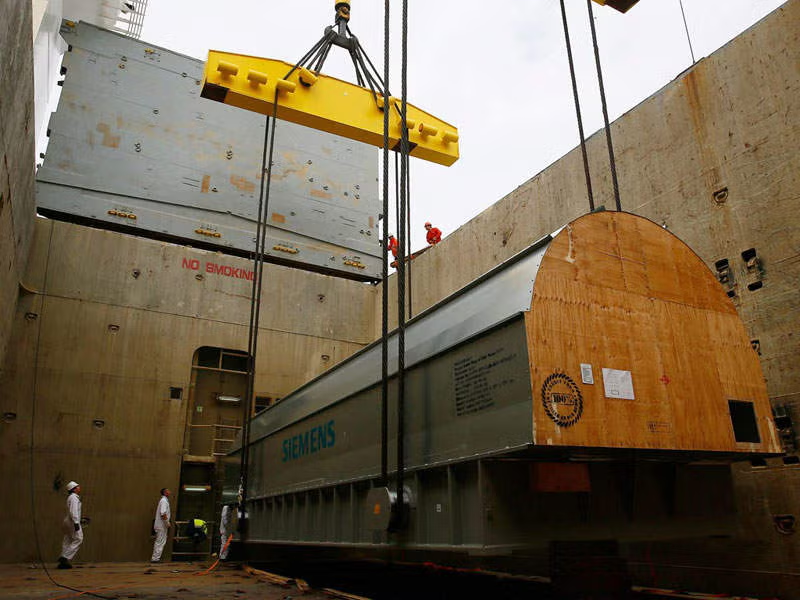
The location south of Doha places the plant in an area that is less densely developed than the areas immediately surrounding the capital, providing the space required for a large-scale IWPP and reducing the social and environmental impact of the plant’s construction and operation. The site is accessible by road from Doha and from the port facilities on the southern coast of Qatar, facilitating the delivery of major plant items and construction materials during the construction phase.
The Power Generation Plant
The Umm Al Houl IWPP includes a power generation plant with a capacity of approximately 2,500 MW – making it one of the largest single-site power generation facilities in Qatar. The power generation plant uses combined cycle gas turbine (CCGT) technology, which is the standard technology for large-scale gas power generation in Qatar and across the Gulf region.
In a CCGT plant, natural gas is burned in gas turbine combustors, producing high-temperature combustion gases that drive the gas turbines and generators. The hot exhaust gases from the gas turbines are directed to heat recovery steam generators (HRSGs), where they produce high-pressure steam. The steam drives steam turbines, which drive additional generators to produce more electricity. The combined thermal efficiency of the CCGT cycle is 55–60% – significantly higher than the 35–40% efficiency of a conventional steam turbine plant.
At 2,500 MW, the Umm Al Houl power plant is a major contributor to Qatar’s national electricity grid. Qatar’s total installed generation capacity is approximately 12,000 MW, of which the Umm Al Houl plant represents approximately 20%. The plant supplies electricity to Kahramaa – Qatar General Electricity and Water Corporation – under a long-term Power and Water Purchase Agreement (PWPA) that provides the revenue certainty required to support the IWPP’s project finance structure.
The power generation plant at Umm Al Houl also provides the electricity required to power the reverse osmosis desalination plant. Unlike thermal desalination, which requires waste heat from power generation, RO desalination requires only electricity. The co-location of the CCGT power plant and the RO desalination plant at Umm Al Houl allows the desalination plant to draw its electricity directly from the power plant, minimising transmission losses and ensuring a reliable electricity supply for the desalination process.
The Reverse Osmosis Desalination Plant
A World First for Qatar
The reverse osmosis desalination plant at Umm Al Houl was the first large-scale RO desalination facility in Qatar. Prior to Umm Al Houl, Qatar’s entire desalination capacity was based on thermal evaporation technology – MSF and MED. The deployment of large-scale RO at Umm Al Houl represented a fundamental shift in Qatar’s desalination technology strategy and a recognition that RO is the technology of the future for large-scale water production.
The significance of this technology shift cannot be overstated. Qatar had been producing desalinated water using thermal evaporation technology for decades. The engineering, operational and maintenance expertise in Qatar’s water sector was built around thermal desalination. Introducing large-scale RO required new engineering expertise, new operational procedures, new maintenance practices and new supply chains. ACCIONA – with its extensive experience in large-scale RO desalination – was the key enabler of this technology transition.
How Reverse Osmosis Works
Reverse osmosis is a membrane-based desalination process. Seawater is pre-treated to remove suspended solids, biological material and other contaminants that could damage or foul the RO membranes. The pre-treated seawater is then pressurised by high-pressure pumps to typically 55–70 bar and forced through semi-permeable RO membranes. The membranes allow water molecules to pass through while rejecting dissolved salts and other contaminants. The product – permeate – is fresh water with a very low salt content. The reject stream – concentrate or brine – contains the salts and contaminants rejected by the membranes and is returned to the sea.
The specific energy consumption of modern seawater RO plants is 2.5–3.5 kWh per cubic metre – compared to 10–15 kWh per cubic metre for MSF desalination. This energy efficiency advantage is the primary driver of the global shift from thermal to RO desalination. At the scale of the Umm Al Houl plant – 284,000 m³/day initial capacity, 614,000 m³/day after expansion – the energy savings from using RO rather than MSF are enormous, both in terms of operating cost and carbon emissions.
Energy Recovery
A critical component of the energy efficiency of the Umm Al Houl RO plant is the energy recovery system. In seawater RO, the brine reject stream leaves the membranes at high pressure – close to the feed pressure of 55–70 bar. Without energy recovery, this pressure energy would be wasted. Energy recovery devices (ERDs) capture the pressure energy from the brine stream and use it to pre-pressurise the incoming seawater feed, reducing the energy required from the high-pressure pumps. Modern ERDs achieve energy recovery efficiencies of 95–98%, making them one of the most important contributors to the low specific energy consumption of modern SWRO plants.
Initial Capacity – 284,000 m³/day
The initial reverse osmosis desalination plant at Umm Al Houl has a capacity of 284,000 m³ per day – sufficient to supply potable water to approximately 1.8 million people. This capacity made it, at the time of its commissioning, the largest RO desalination plant in Qatar and one of the largest in the Middle East. The plant produces water that meets the quality standards required for potable water supply in Qatar, including post-treatment remineralisation to restore the mineral content of the RO permeate to levels appropriate for drinking water.
The Expansion – 614,000 m³/day and a World Construction Record
Following the successful commissioning and operation of the initial RO plant, the Umm Al Houl complex was expanded with a second reverse osmosis desalination plant. The expansion increased the total RO desalination capacity of the complex to 614,000 m³ per day – 564 million litres per day from the two RO plants combined – making it the largest desalination plant in Qatar.
22 Months – A World Construction Record
The expansion was completed in just 22 months – breaking a construction record in the desalination world. Completing a large-scale RO desalination plant expansion of this magnitude in 22 months is a remarkable achievement that reflects the quality of the construction planning, the effectiveness of the construction methodology and the performance of the construction workforce. It is the kind of achievement that is only possible when the construction programme is planned in detail from the outset, the supply chain is engaged early, the construction methodology is optimised for speed and quality, and the workforce is managed to the highest standards of safety and productivity.
The 22-month construction record is particularly significant in the context of the Gulf construction environment – extreme summer heat, mandatory work stoppages during the hottest part of the day, complex logistics and a large and diverse international workforce. Achieving a world construction record in these conditions is a testament to the capability of ACCIONA’s construction team and the effectiveness of its construction methodology.
Artificial Intelligence for Operations Optimisation
The expanded Umm Al Houl complex incorporates state-of-the-art artificial intelligence technology to optimise operations and achieve energy savings. AI-based optimisation of RO plant operations can improve energy efficiency, extend membrane life, reduce chemical consumption and improve water quality consistency. The deployment of AI at Umm Al Houl reflects the broader trend in the water industry toward the use of digital technologies to improve the performance and reduce the cost of large-scale desalination plants.
The AI system at Umm Al Houl monitors the performance of the RO membranes, the high-pressure pumps, the energy recovery devices and the pre-treatment systems in real time. It uses machine learning algorithms to identify performance trends, predict maintenance requirements and optimise the operating parameters of the plant to minimise energy consumption while maintaining the required water production output and quality. The result is a plant that operates more efficiently, requires less maintenance intervention and produces water at a lower cost than a plant operated without AI optimisation.
The Construction Methodology
The construction of the Umm Al Houl IWPP – a 2,500 MW CCGT power plant and a 284,000 m³/day RO desalination plant, followed by an expansion to 614,000 m³/day – is one of the most complex construction programmes undertaken in Qatar. The construction methodology was driven by the scale of the project, the remote coastal location, the extreme Gulf climate and the requirement to deliver a world-class facility to the highest standards of quality and safety.
Design and Engineering
ACCIONA’s scope at Umm Al Houl covered the full project lifecycle – design, construction, operation and maintenance. The design phase established the technical basis for the construction and operation of the plant. The RO desalination plant design was based on ACCIONA’s extensive experience in large-scale RO desalination, adapted to the specific conditions of the Umm Al Houl site – the seawater quality of the Arabian Gulf south of Doha, the ambient temperature and humidity conditions, the water quality requirements of Kahramaa and the operational requirements of QEWC.
The design of the RO plant covered the seawater intake system, the pre-treatment system, the high-pressure pumping system, the RO membrane trains, the energy recovery system, the post-treatment and remineralisation system, the product water storage and pumping system, the brine outfall system and the plant control and instrumentation systems. The integration of the RO plant with the CCGT power plant – particularly the electrical supply system – required careful engineering to ensure that the RO plant had a reliable and stable electricity supply at all times.
Civil and Structural Works
The civil works at Umm Al Houl included the CCGT power plant foundations and structures, the RO desalination building structures, the seawater intake and brine outfall structures, the product water reservoirs, the chemical storage and dosing facilities, the electrical switchyard and the site infrastructure. The seawater intake and brine outfall structures required marine construction techniques – dredging, sheet piling and underwater concrete placement – to construct the intake and outfall channels in the Arabian Gulf.
The RO desalination building is a large, climate-controlled structure that houses the RO membrane trains, the high-pressure pumps, the energy recovery devices and the associated pipework and instrumentation. The building must be designed to maintain the temperature and humidity conditions required for the reliable operation of the RO membranes and to protect the sensitive membrane elements from the dust and sand that are prevalent in the Gulf environment.
Mechanical and Piping Installation
The mechanical and piping installation at Umm Al Houl covered the high-pressure pumps, the RO membrane pressure vessels, the energy recovery devices, the pre-treatment filters and dosing systems, the post-treatment remineralisation systems, the product water pumps and the associated pipework systems. The high-pressure piping in the RO plant – operating at pressures of 55–70 bar – must be fabricated and installed to the highest standards of quality to ensure pressure integrity and long-term reliability.
The RO membrane elements – the heart of the desalination process – must be installed in the pressure vessels in the correct orientation and sequence, without introducing contamination that could damage the membranes or reduce their performance. The membrane installation is a precision activity that requires trained and experienced personnel and careful quality control.
Construction in the Gulf Environment
Construction at Umm Al Houl in the summer months presents the same extreme challenges as all Gulf construction projects. Temperatures regularly exceed 45°C. Qatar’s labour regulations require that outdoor construction work be suspended between 11:30 and 15:00 during the summer months (June to September) to protect workers from heat stress. This mandatory work stoppage reduces the available working hours during the summer and must be accounted for in the construction programme.
The achievement of a 22-month construction record for the expansion phase in this environment is all the more remarkable. It required a construction programme that was planned in detail to maximise productivity during the available working hours, a supply chain that delivered materials and equipment on schedule, and a workforce that was managed to the highest standards of safety and productivity throughout the programme.
Commissioning
Commissioning a large-scale RO desalination plant is a multi-stage process. The pre-treatment system must be commissioned first to ensure that the seawater feed to the RO membranes meets the required quality specifications. The high-pressure pumps and energy recovery devices must be commissioned and their performance verified before the RO membranes are installed. The RO membrane trains are then commissioned one by one, with each train’s performance verified against the design specifications before the next train is brought online. The post-treatment and remineralisation systems are commissioned last, ensuring that the product water meets the required quality standards before it is delivered to the distribution network.
Safety Performance – 10 Million Hours Without a Lost-Time Injury
The Umm Al Houl expansion project surpassed 10 million working hours without a lost-time injury – a major health and safety milestone that reflects the effectiveness of ACCIONA’s health and safety management system and the commitment of the entire project team to working safely. Ten million working hours without a lost-time injury on a large construction project in the Gulf environment is an exceptional achievement. It requires a safety culture that is embedded at every level of the project – from the project director to the newest worker on site – and a safety management system that identifies and eliminates hazards before they cause injuries.
ACCIONA’s approach to health and safety at Umm Al Houl was based on its Social Impact Management (SIM) methodology, which integrates social, economic and environmental dimensions into the project management framework. The SIM methodology recognises that the wellbeing of workers is not just a moral obligation – it is a prerequisite for project success. A workforce that is healthy, safe and well-treated is a productive workforce. A project that achieves 10 million hours without a lost-time injury is a project that is being managed well.
ACCIONA’s Role and Social Impact Management
ACCIONA is one of the world’s leading infrastructure and renewable energy companies, with extensive experience in the design, construction, operation and maintenance of large-scale water infrastructure projects. The Umm Al Houl plant is the third reverse osmosis desalination plant that ACCIONA has completed in Qatar, reflecting the company’s established position as a leading RO desalination contractor in the country.
ACCIONA’s scope at Umm Al Houl covered the full project lifecycle – design, construction, operation and maintenance. This full-lifecycle scope is significant because it aligns ACCIONA’s incentives with the long-term performance of the plant. A contractor that is responsible for operating and maintaining a plant it has designed and built has a strong incentive to design and build it well. The quality of the design and construction directly affects the cost and complexity of the operation and maintenance – and ACCIONA bears both.
Social Impact Management (SIM)
ACCIONA implemented its Social Impact Management (SIM) methodology at Umm Al Houl to carry out initiatives with a social, economic and environmental dimension, contributing positively to the wellbeing of workers and other stakeholders of the project and promoting the development of the area of influence. The SIM methodology reflects ACCIONA’s broader corporate philosophy – described as “regenerative” – which is designed to create a positive impact on people’s lives and on the planet.
The SIM initiatives at Umm Al Houl included worker welfare programmes, community engagement activities, environmental monitoring and management, and supply chain development initiatives that supported local businesses and created employment opportunities in Qatar. The SIM methodology is not a public relations exercise – it is a structured management approach that integrates social and environmental considerations into the project management framework from the outset of the project.
ACCIONA’s stated mission – “investing in and developing infrastructure assets to make our planet more sustainable” – is reflected in the Umm Al Houl project. A large-scale RO desalination plant that produces 614,000 m³ of potable water per day using significantly less energy than thermal desalination, operated with AI optimisation to minimise energy consumption, and built with a safety record of 10 million hours without a lost-time injury, is a demonstration of what sustainable infrastructure development looks like in practice.
 Qatar Electricity and Water Company (QEWC)
Qatar Electricity and Water Company (QEWC) is the primary vehicle through which Qatar’s power and water generation capacity is owned and operated. Listed on the Qatar Stock Exchange, QEWC holds equity stakes in all of the major power and water projects in Qatar, including the Umm Al Houl IWPP, the Ras Laffan stations and the Mesaieed power and water stations. QEWC’s portfolio gives it a combined power generation capacity of approximately 12,000 MW and a water desalination capacity of approximately 750 MIGD – making it one of the largest power and water utilities in the Middle East.
QEWC’s role in the Umm Al Houl IWPP is both as the client for the design, construction and O&M contract with ACCIONA and as an equity investor in the project company. This dual role aligns QEWC’s interests with the efficient and reliable operation of the plant. QEWC has a strong incentive to ensure that the plant is operated to the highest standards of availability and reliability, because it is both the owner of the assets and the purchaser of their output under the Power and Water Purchase Agreement with Kahramaa.
Umm Al Houl and Qatar’s Water Security Strategy
The Umm Al Houl plant is a central component of Qatar’s water security strategy. Qatar’s National Vision 2030 includes a commitment to sustainable water management and the development of water production capacity that can meet the country’s growing demand while reducing the carbon intensity of water production. The transition from thermal desalination to reverse osmosis – of which Umm Al Houl is the flagship example – is a key element of this strategy.
The energy efficiency advantage of RO over thermal desalination is particularly significant in the context of Qatar’s energy transition. Qatar has committed to reducing its greenhouse gas emissions as part of its contributions to the Paris Agreement. The transition from MSF to RO desalination reduces the energy required to produce a cubic metre of potable water by approximately 70–80%, with a corresponding reduction in carbon emissions. At the scale of the Umm Al Houl plant – 614,000 m³/day – the carbon savings from using RO rather than MSF are substantial.
The deployment of AI optimisation at Umm Al Houl takes the energy efficiency of the plant a step further. By continuously optimising the operating parameters of the RO plant to minimise energy consumption, the AI system reduces the plant’s energy use and carbon emissions below what would be achievable with conventional manual operation. This combination of RO technology and AI optimisation represents the current state of the art in sustainable large-scale water production.
Comparison – Thermal Desalination vs Reverse Osmosis at Scale
| Parameter | MSF Thermal Desalination | Reverse Osmosis (RO) |
|---|---|---|
| Energy consumption | 10–15 kWh/m³ | 2.5–3.5 kWh/m³ |
| Energy type required | Thermal energy (steam) + electricity | Electricity only |
| Coupling to power generation | Tightly coupled – requires co-location with thermal power plant | Decoupled – can be powered by any electricity source including renewables |
| Carbon intensity | High | Significantly lower – up to 85% less CO₂ per m³ |
| Scalability | Large minimum unit size – less flexible | Highly modular and scalable |
| Compatibility with AI optimisation | Limited | High – membrane performance, energy use and chemical dosing all optimisable |
| Water cost | Higher – driven by high energy consumption | Lower – driven by low energy consumption and modular capital cost |
| Qatar deployment history | Dominant technology until Umm Al Houl | First large-scale deployment at Umm Al Houl |
Summary
The Umm Al Houl Power and Water Plant is Qatar’s largest desalination facility and a genuine milestone in the global history of desalination. It was the first time that reverse osmosis technology was used on a large scale in Qatar, breaking the country’s exclusive reliance on thermal evaporation desalination. With a combined power generation capacity of approximately 2,500 MW and a post-expansion desalination capacity of 614,000 m³ per day, it is one of the most significant power and water infrastructure projects in the Middle East. Designed, constructed, operated and maintained by ACCIONA under contract to QEWC, it was expanded in just 22 months – a world construction record – while surpassing 10 million working hours without a lost-time injury. It incorporates state-of-the-art AI technology to optimise operations and achieve energy savings, and it is operated under ACCIONA’s Social Impact Management methodology that integrates social, economic and environmental considerations into the project management framework. The key facts are:
- Location – Umm Al Houl, south of Doha, Qatar
- Client – Qatar Electricity and Water Company (QEWC)
- Project structure – Independent Water and Power Project (IWPP)
- Power generation capacity – approximately 2,500 MW CCGT
- Initial desalination capacity – 284,000 m³/day – first large-scale RO in Qatar
- Post-expansion desalination capacity – 614,000 m³/day (564 million litres per day) – largest desalination plant in Qatar
- Population served – 1.8 million people
- Design, construction and O&M contractor – ACCIONA
- Expansion completed in 22 months – world construction record for desalination
- 10 million working hours without lost-time injury
- AI optimisation for energy savings and operational efficiency
- Third RO desalination plant completed by ACCIONA in Qatar
- A landmark in Qatar’s transition from thermal to reverse osmosis desalination
Interested in Desalination or Power Plant Construction Methodology?
We work with contractors, owners and project teams on construction methodology, programme development and Efficient Construction Cost (ECC) modelling for reverse osmosis desalination, gas power generation and water infrastructure projects. Our approach starts with the construction methodology – and builds the programme and cost model from there.
Use the form below to discuss your project.
The content on PossessionPlanning.com is for informational purposes only. We make no guarantees regarding completeness or reliability. PossessionPlanning.com is an independent platform, not affiliated with or endorsed by any
rail
operator or government agency. Read our
Terms of Use.
// RESOURCES & REFERENCES
// OUR PARTNERS & NETWORK
// SUPPORT OUR MISSION
✨ Help us continue building tools that simplify complexity!
Every contribution fuels new features and improvements.


Thank you for being part of our journey! 🚀
// CONTACT US
Discover more from Construction Methodology
Subscribe to get the latest posts sent to your email.
Discover more from Construction Methodology
Subscribe to get the latest posts sent to your email.