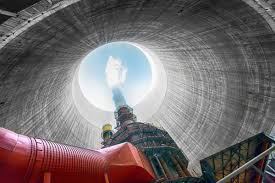
Barakah Nuclear Power Plant: The Arab World’s First Nuclear Power Station
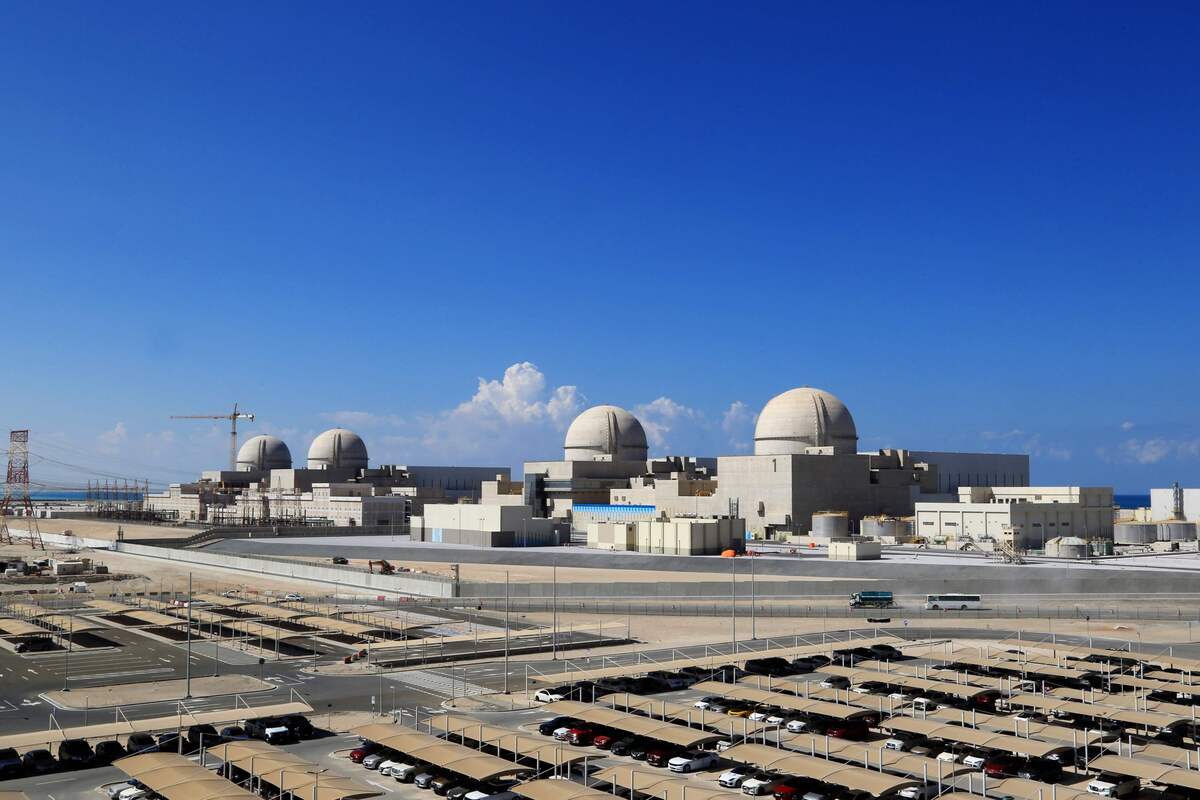
The Barakah Nuclear Power Plant in Abu Dhabi, United Arab Emirates, is the first nuclear power station in the Arab world and one of the most significant infrastructure achievements of the 21st century. Four APR-1400 pressurised water reactors, each with a gross capacity of 1,400 MW, give the plant a total installed capacity of 5,600 MW – enough to supply up to 25% of the UAE’s electricity needs and avoid the emission of 21 million tonnes of CO₂ per year. It was built on a greenfield site in the Western Region of Abu Dhabi, in a country with no prior nuclear industry, no nuclear regulatory framework and no nuclear workforce. That it was built at all is remarkable. That it was built to the quality and safety standards required of a nuclear power plant is extraordinary.
This post covers the project facts, the technology, the construction methodology, the regulatory framework, the workforce development programme and what the Barakah plant means for the UAE and for the global nuclear industry.
Project Facts
| Item | Detail |
|---|---|
| Location | Barakah, Al Dhafra Region, Abu Dhabi, UAE |
| Technology | APR-1400 Pressurised Water Reactor (PWR) |
| Number of units | 4 |
| Gross capacity per unit | 1,400 MW |
| Total installed capacity | 5,600 MW |
| Annual CO₂ avoided | 21 million tonnes |
| Share of UAE electricity | Up to 25% |
| Owner and operator | Emirates Nuclear Energy Corporation (ENEC) / Nawah Energy Company |
| Prime contractor | Korea Electric Power Corporation (KEPCO) |
| Reactor designer | Korea Hydro and Nuclear Power (KHNP) |
| Regulator | Federal Authority for Nuclear Regulation (FANR) |
| Unit 1 commercial operation | April 2021 |
| Unit 2 commercial operation | March 2023 |
| Unit 3 commercial operation | 2024 |
| Unit 4 commercial operation | 2025 |
| Project cost | Approximately US$24.4 billion |
| Design life | 60 years |
Why Barakah Matters
The UAE made the decision to pursue nuclear power in 2008 for reasons that were straightforward and strategic. The country’s rapidly growing economy and population were driving electricity demand at rates that fossil fuel generation alone could not sustainably meet. The UAE’s gas reserves, while significant, were increasingly needed for export and for industrial use. And the UAE had committed to a long-term vision of economic diversification and carbon reduction that required a low-carbon baseload generation source.
Nuclear power offered what no other low-carbon technology could at the time – large-scale, reliable, dispatchable baseload generation that did not depend on weather conditions and did not require vast areas of land. A single APR-1400 unit produces as much electricity as approximately 700 MW of solar capacity operating at a typical capacity factor, but in a fraction of the footprint and with complete independence from weather conditions.
The decision to build Barakah was also a statement of national ambition. No Arab country had ever built a nuclear power plant. The UAE was committing to developing the regulatory framework, the workforce, the supply chain and the operational capability to build and operate nuclear power safely – from scratch, in less than two decades. The fact that all four units are now operational or in the final stages of commissioning is a testament to the seriousness and discipline with which that commitment was pursued.
The APR-1400 Reactor Technology
The APR-1400 – Advanced Power Reactor 1,400 MW – is a Generation III+ pressurised water reactor designed by Korea Hydro and Nuclear Power (KHNP). It is the standard reactor design used in South Korea’s domestic nuclear programme and has an established operational track record at the Shin Kori and Shin Hanul plants in South Korea. The selection of the APR-1400 for Barakah was based on its proven performance, its advanced safety features and the competitive terms offered by the Korean consortium led by KEPCO.
Key Technical Features of the APR-1400
- Gross electrical output – 1,400 MW per unit, making it one of the largest single-unit reactor designs in commercial operation
- Thermal power – 3,983 MWt per unit
- Design life – 60 years
- Fuel – low-enriched uranium oxide (UO₂) fuel assemblies
- Coolant and moderator – light water (H₂O)
- Safety systems – four-train passive and active safety systems providing redundancy and diversity. The safety systems are designed to bring the reactor to a safe shutdown condition and maintain it there without operator action for 72 hours following a design basis accident.
- Containment – double containment structure – an inner pre-stressed concrete containment and an outer reinforced concrete shield building – designed to withstand aircraft impact, seismic events and extreme weather.
- Core damage frequency – less than 1×10⁻⁵ per reactor year – significantly below the regulatory limit
- Large release frequency – less than 1×10⁻⁶ per reactor year
Passive Safety Features
The APR-1400 incorporates passive safety features that reduce reliance on active systems and operator action in the event of an accident. These include passive residual heat removal systems that use natural circulation to remove decay heat from the reactor core without requiring pumps or external power. The passive safety features are a key element of the Generation III+ design philosophy – reducing the probability of core damage and large radioactive release to levels that are orders of magnitude lower than earlier reactor designs.
Site Selection
The Barakah site in the Al Dhafra Region of Abu Dhabi was selected following a comprehensive site evaluation process that assessed multiple candidate sites against criteria including seismicity, hydrology, population density, proximity to water for cooling, grid connection and emergency planning. The Barakah site offered several advantages:
- Low seismicity – the Arabian Peninsula is one of the most seismically stable regions in the world. The Barakah site has very low seismic hazard, which simplifies the seismic design of the plant and reduces the cost of the civil structures.
- Coastal location – the site is on the Arabian Gulf coast, providing access to seawater for once-through cooling. The APR-1400 uses seawater cooling, which requires a large and reliable source of cooling water. The Arabian Gulf provides this.
- Low population density – the Al Dhafra Region is sparsely populated, which simplifies the emergency planning zone requirements and reduces the social impact of the plant.
- Grid proximity – the site is within practical transmission distance of Abu Dhabi’s high-voltage grid, enabling the plant’s output to be delivered to the load centres efficiently.
The Regulatory Framework
One of the most significant achievements of the UAE’s nuclear programme was the establishment of a credible, independent nuclear regulatory framework from scratch. The Federal Authority for Nuclear Regulation (FANR) was established in 2009 – just one year after the UAE’s decision to pursue nuclear power. FANR is responsible for the regulation of all nuclear and radiological activities in the UAE, including the licensing of the Barakah plant.
FANR developed its regulatory framework in close collaboration with the International Atomic Energy Agency (IAEA) and drew on the regulatory experience of established nuclear nations including the USA, France, South Korea and Canada. The UAE also signed the Nuclear Non-Proliferation Treaty (NPT) and concluded a 123 Agreement with the United States – a bilateral agreement that governs the peaceful use of nuclear technology and provides assurance that the UAE’s nuclear programme is exclusively for peaceful purposes.
The UAE’s decision to forgo domestic uranium enrichment and spent fuel reprocessing – the so-called “gold standard” of nuclear non-proliferation – was a significant commitment that enhanced the credibility of the programme internationally and facilitated the international cooperation required to build and operate the plant.
FANR issued the construction licence for Unit 1 in 2012 and the operating licences for Units 1 and 2 in 2020 and 2022 respectively. The licensing process involved extensive safety reviews, inspections and independent assessments by FANR and the IAEA. The IAEA conducted multiple Integrated Regulatory Review Service (IRRS) missions to assess FANR’s regulatory framework and multiple Operational Safety Review Team (OSART) missions to assess the operational safety of the plant.
The Construction Methodology
The construction of four nuclear power plant units on a greenfield site in the UAE was one of the most complex construction programmes ever undertaken in the Middle East. The construction methodology was driven by the unique requirements of nuclear construction – the highest quality standards of any construction sector, a regulatory framework that requires independent verification of every safety-significant activity and a zero-tolerance approach to quality failures that could affect nuclear safety.
Nuclear Quality Assurance
Nuclear construction is governed by a quality assurance programme that is more rigorous than any other construction sector. Every safety-significant activity – every weld, every concrete pour, every equipment installation – must be performed in accordance with a qualified procedure, by qualified personnel, using qualified materials and equipment, and must be independently inspected and documented. The documentation requirements alone are extraordinary – every safety-significant activity generates a quality record that must be retained for the life of the plant.
The quality assurance programme at Barakah was based on the requirements of the IAEA Safety Standards, the US Nuclear Regulatory Commission (NRC) 10 CFR 50 Appendix B quality assurance criteria and the Korean nuclear quality standards developed by KHNP. The programme covered the entire supply chain – from the steel mills and concrete batching plants to the equipment manufacturers and the construction workforce on site.
Civil Construction
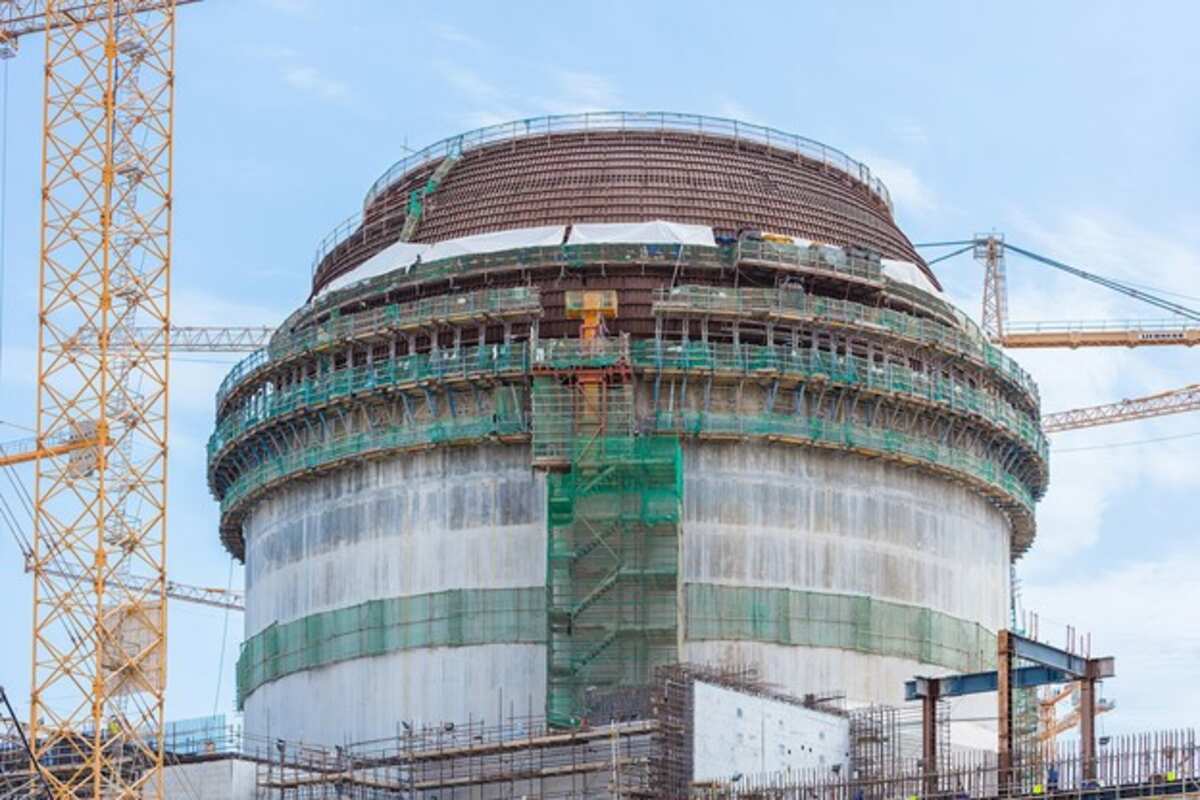
The civil construction at Barakah was dominated by the reactor buildings – the most complex and demanding civil structures in the plant. Each reactor building consists of:
- The containment building – a pre-stressed concrete cylindrical structure approximately 60 m in diameter and 70 m high, with walls up to 1.2 m thick, designed to contain radioactive material in the event of a design basis accident. The containment is pre-stressed with a system of tendons that provide the tensile strength required to resist the internal pressure that would develop in a loss-of-coolant accident.
- The shield building – an outer reinforced concrete structure that surrounds the containment building and provides protection against external hazards including aircraft impact, extreme weather and missile attack. The shield building walls are typically 1.0–1.5 m thick.
- The reactor auxiliary building – a reinforced concrete structure adjacent to the reactor building that houses the safety systems, the spent fuel pool and the auxiliary systems required for plant operation.
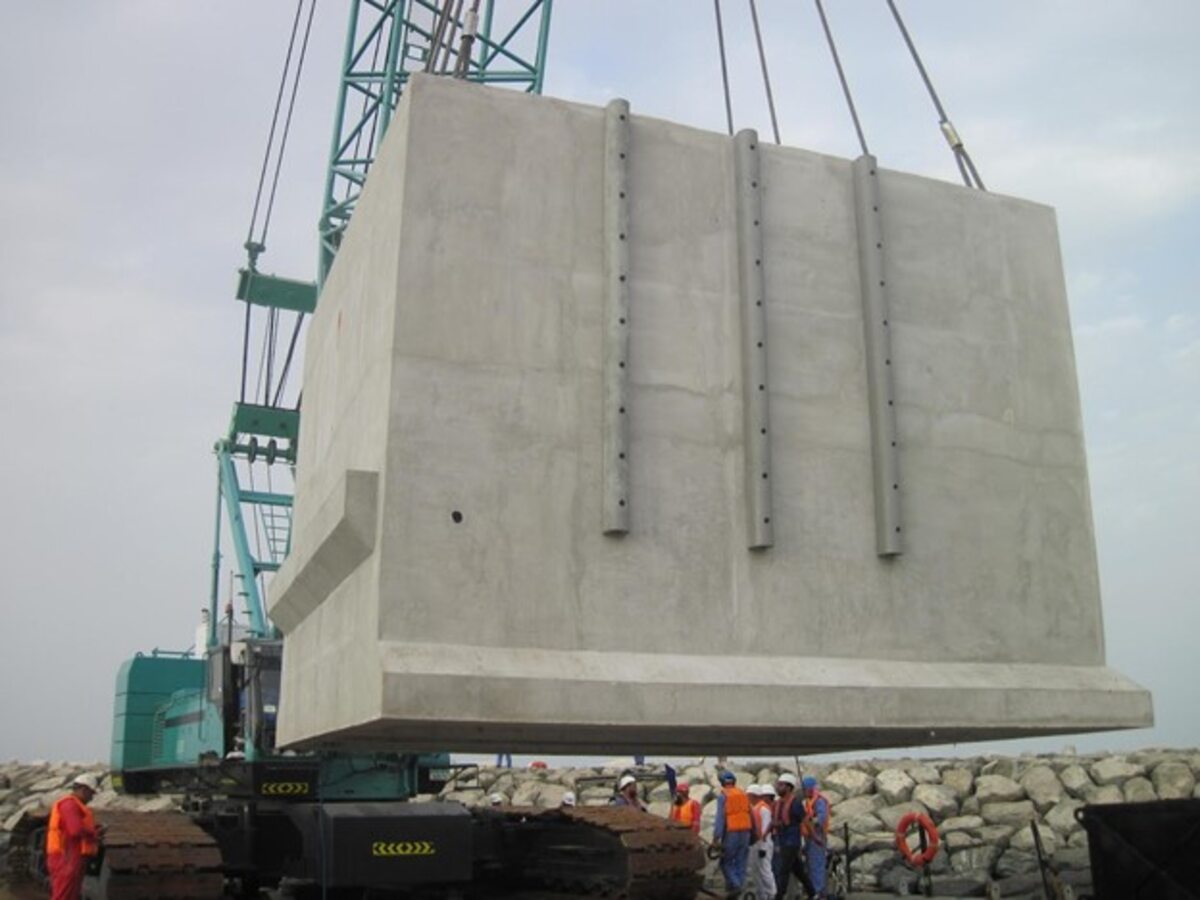
The concrete used in the nuclear structures at Barakah was subject to the most stringent quality requirements. The mix design, the aggregate source, the cement source, the water quality and the admixtures were all subject to qualification testing and approval before use. Every concrete pour was subject to pre-pour inspection, in-process inspection and post-pour inspection. Concrete test specimens were taken from every pour and tested at 7, 28 and 90 days. Any pour that did not meet the specified strength and durability requirements was subject to a formal non-conformance process.
Mechanical and Electrical Installation
The mechanical and electrical installation at Barakah was the most complex phase of the construction programme. The plant contains hundreds of kilometres of piping, thousands of kilometres of electrical cable, thousands of valves, pumps, heat exchangers and instrumentation devices – all of which must be installed, tested and commissioned to nuclear quality standards.
The installation of the reactor pressure vessel, the steam generators and the reactor coolant pumps – the primary circuit components – required specialist heavy lift equipment and precision installation techniques. The reactor pressure vessel for each unit weighs approximately 430 tonnes and must be installed to millimetre tolerances. The steam generators – four per unit, each weighing approximately 340 tonnes – must be installed and aligned to ensure that the primary coolant circuit is leak-tight and that the thermal performance of the steam generators meets the design requirements.
Construction Sequencing
The construction of four units on a single site created both opportunities and challenges for the construction programme. The opportunities were in the economies of scale – the same workforce, the same equipment, the same supply chain and the same quality systems could be used across all four units, reducing the unit cost of construction. The challenges were in the coordination of four simultaneous construction programmes on a single site, each at a different stage of completion, each competing for the same resources.
The construction sequence was staggered – Unit 1 was the lead unit, with Units 2, 3 and 4 following at approximately 12-month intervals. This staggered sequence allowed the lessons learned from each unit to be applied to the next, improving quality and productivity as the programme progressed. It also allowed the workforce to be transferred from one unit to the next as each unit progressed through its construction phases, maintaining workforce continuity and avoiding the peaks and troughs in resource demand that would have resulted from a parallel construction programme.
Extreme Climate Challenges
Construction in the UAE presents extreme climate challenges that are not encountered in most nuclear construction programmes. Summer temperatures at the Barakah site regularly exceed 45°C. Humidity is high. Dust storms are frequent. These conditions affect every aspect of the construction programme:
- Concrete placement – concrete cannot be placed in extreme heat without special measures. At Barakah, concrete was chilled before placement using ice and chilled water to reduce the concrete temperature at the point of placement. Concrete was placed at night during the summer months. Curing was managed carefully to prevent premature drying and cracking.
- Steel fabrication and erection – structural steel and piping fabrication was carried out in covered workshops to protect workers and materials from the heat. Erection activities were scheduled to avoid the hottest parts of the day during summer.
- Equipment protection – sensitive equipment – instrumentation, electrical components, reactor internals – was stored in climate-controlled facilities to protect it from heat, humidity and dust.
- Worker welfare – the welfare of the construction workforce in extreme heat was a critical safety and productivity issue. Rest facilities, hydration stations and heat stress monitoring programmes were implemented across the site.
Workforce Development
One of the most remarkable aspects of the Barakah programme was the development of a UAE nuclear workforce from scratch. When the UAE made its decision to pursue nuclear power in 2008, there were no nuclear engineers, no nuclear operators, no nuclear regulators and no nuclear safety professionals in the country. Every one of these roles had to be created through education, training and experience.
ENEC established a comprehensive workforce development programme that included:
- University education – UAE nationals were sponsored to study nuclear engineering at leading universities in the USA, South Korea, France and the UK. The Khalifa University of Science and Technology in Abu Dhabi established a nuclear engineering programme to develop domestic educational capacity.
- On-the-job training – UAE nationals were embedded in KEPCO and KHNP teams during the construction and commissioning of the plant, gaining hands-on experience in nuclear construction and operations.
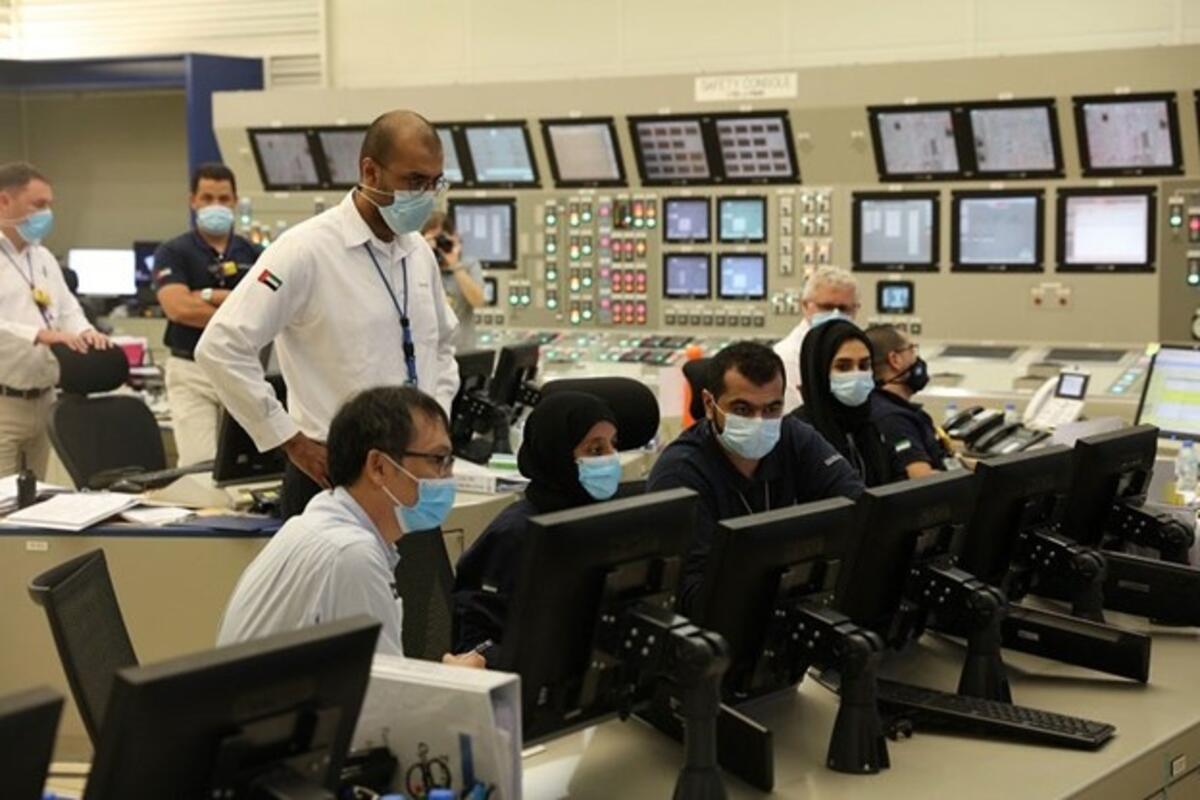
- Simulator training – a full-scope simulator replicating the Barakah control room was used to train UAE operators before the plant entered service. Operators must demonstrate proficiency on the simulator before they are licensed to operate the actual plant.
- Knowledge transfer – the contract with KEPCO included extensive knowledge transfer provisions requiring Korean experts to train UAE counterparts in every aspect of nuclear plant construction, commissioning and operation.
Nawah Energy Company – the joint venture between ENEC and KHNP that operates the Barakah plant – has progressively increased the proportion of UAE nationals in its workforce. The long-term goal is a predominantly Emirati operational workforce, supported by international expertise where required.
Environmental and Safety Performance
The Barakah plant’s environmental performance is one of its most compelling attributes. At full operation, the four units will generate approximately 40 terawatt-hours (TWh) of electricity per year – enough to supply 25% of the UAE’s electricity needs – while emitting virtually no greenhouse gases during operation. The 21 million tonnes of CO₂ avoided per year is equivalent to removing approximately 4.5 million cars from the road.
The plant’s safety performance has been closely monitored by FANR and the IAEA since Unit 1 entered commercial operation in April 2021. The IAEA’s OSART missions have consistently found that the plant’s safety culture, operational practices and safety systems meet international standards. The plant has operated without any significant safety events since entering commercial operation.
The seawater cooling system returns water to the Arabian Gulf at a controlled temperature above the intake temperature. The environmental impact of the thermal discharge is managed through the design of the outfall structure and is monitored continuously to ensure compliance with the environmental permit conditions.
The Barakah Plant and the UAE’s Energy Strategy
The Barakah plant is a central component of the UAE’s Energy Strategy 2050, which targets a tripling of renewable and nuclear energy capacity and a reduction in the carbon intensity of the power sector by 70% by 2050. Nuclear power provides the low-carbon baseload generation that complements the UAE’s rapidly growing solar capacity – the Mohammed bin Rashid Al Maktoum Solar Park in Dubai and the Noor Abu Dhabi and Al Dhafra solar plants in Abu Dhabi are among the largest solar installations in the world.
The combination of nuclear baseload and solar generation addresses one of the fundamental challenges of a low-carbon power system – the intermittency of renewable energy. Solar generation in the UAE is highly predictable and abundant during daylight hours but produces no power at night. Nuclear generation provides the continuous, dispatchable baseload that ensures grid stability and security of supply around the clock.
Lessons for the Global Nuclear Industry
The Barakah programme offers several lessons for the global nuclear industry and for countries considering nuclear power for the first time.
The Importance of a Strong Owner
ENEC’s role as a strong, capable owner was critical to the success of the programme. ENEC maintained oversight of the construction programme, managed the interface with FANR, drove the workforce development programme and held KEPCO accountable for the quality and schedule of the construction. A nuclear programme without a strong owner is a nuclear programme that will fail.
The Value of a Proven Technology
The selection of the APR-1400 – a proven reactor design with an established operational track record in South Korea – reduced the technical risk of the programme significantly. First-of-a-kind reactor designs carry significant construction risk. The APR-1400 had been built before. The construction methodology, the supply chain and the quality systems were established. This reduced the probability of the quality failures and construction delays that have plagued first-of-a-kind nuclear projects in other countries.
The Cost of Quality in Nuclear Construction
Nuclear construction is expensive because the quality requirements are extraordinarily demanding. Every safety-significant activity must be performed to a standard that is orders of magnitude higher than conventional construction. The documentation requirements are enormous. The inspection requirements are extensive. The qualification requirements for personnel, procedures and materials are rigorous. These requirements exist for good reason – a quality failure in a nuclear power plant can have consequences that are incomparably more serious than a quality failure in any other type of construction. The cost of quality in nuclear construction is not waste – it is the price of safety.
The Long-Term Commitment Required
The Barakah programme began with the UAE’s decision to pursue nuclear power in 2008. Unit 4 is expected to reach commercial operation in 2025 – a programme duration of approximately 17 years from decision to full operation. Nuclear power is not a short-term solution to an energy problem. It is a long-term strategic investment that requires sustained political commitment, sustained financial commitment and sustained institutional capability over decades. Countries that are not prepared to make that commitment should not pursue nuclear power.
Summary
The Barakah Nuclear Power Plant is the Arab world’s first nuclear power station and one of the most significant infrastructure achievements of the 21st century. Four APR-1400 units with a total capacity of 5,600 MW will supply up to 25% of the UAE’s electricity and avoid 21 million tonnes of CO₂ per year. It was built on a greenfield site in a country with no prior nuclear industry, by a workforce that was developed from scratch, under a regulatory framework that was created specifically for the programme. It demonstrates that a new entrant country can build and operate nuclear power safely, provided it makes the long-term commitments to quality, safety, regulation and workforce development that nuclear power demands. The key facts are:
- Four APR-1400 pressurised water reactors – total capacity 5,600 MW
- Up to 25% of UAE electricity supply
- 21 million tonnes of CO₂ avoided per year
- Built by KEPCO under a lump-sum EPC contract
- Regulated by FANR – an independent regulator established specifically for the programme
- Operated by Nawah Energy Company – a joint venture between ENEC and KHNP
- Unit 1 in commercial operation since April 2021
- All four units operational or in final commissioning by 2025
- Project cost approximately US$24.4 billion
- Design life 60 years
Interested in Nuclear or Large-Scale Energy Infrastructure Construction Methodology?
We work with contractors, owners and project teams on construction methodology, programme development and Efficient Construction Cost (ECC) modelling for large-scale energy and infrastructure projects. Our approach starts with the construction methodology – and builds the programme and cost model from there.
Use the form below to discuss your project.
Our Partners
- FR2 Infrastructure – Constructability advise and project and planning controls
- Staging Diagrams – Staging diagrams for possession planning
✨ Support Our Mission ✨
Help us continue building tools that simplify complexity!


Every contribution fuels new features and improvements
Thank you for being part of our journey! 🚀
Contact Us
Discover more from Construction Methodology
Subscribe to get the latest posts sent to your email.
Discover more from Construction Methodology
Subscribe to get the latest posts sent to your email.